
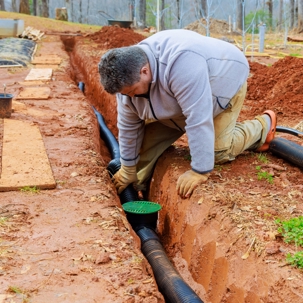
Yard flooding can cause serious damage to your lawn, garden, and even your home’s foundation. It can result from heavy rains, poor soil, or improperly installed landscaping. However, with the right drainage systems in place, you can prevent water from pooling and keep your yard healthy.
Why Drainage is Important
Good drainage is essential because it allows rainwater to flow away from your yard instead of collecting in one spot. Without proper drainage, water can flood areas, causing plants to drown, grass to die, and your yard to become muddy. If water seeps into your home’s foundation, it can even cause cracks and structural damage.
Common Yard Drainage Problems
There are several signs that your yard might have drainage problems:
- Puddles that don’t dry up after a few hours
- Water pooling around the foundation of your house
- Soggy or muddy patches in the lawn
- Erosion where soil is washing away
If you notice any of these signs, it’s important to address the problem before it gets worse.
How to Improve Drainage in Your Yard
1. Regrade the Lawn
The first step in fixing drainage issues is to make sure your yard is properly graded. This means sloping the ground away from your house so that water flows away from your home. You can do this by adding soil to low spots and making sure the yard has a gentle slope towards the street or a storm drain.
2. Install French Drains
A French drain is a trench filled with gravel or rock that contains a perforated pipe. The pipe collects excess water and directs it away from your yard. This system is effective for areas that have standing water or need to move water quickly.
3. Use Downspout Extensions
Rainwater from your roof can make flooding worse if the downspouts direct water too close to your home. Installing downspout extensions ensures that water flows away from your house, preventing it from pooling near your foundation.
4. Add a Dry Creek Bed
A dry creek bed is a trench that mimics a natural stream, filled with rocks and gravel. It helps direct excess water away from problem areas, especially during heavy rains. It can also be a beautiful addition to your yard.
5. Create a Rain Garden
A rain garden is a planted area designed to absorb excess rainwater By using plants that can tolerate both wet and dry conditions, you can create a garden that helps soak up the water and prevent flooding.
Maintaining Your Drainage System
Once you’ve installed a drainage system, make sure to maintain it. Clean out gutters and downspouts regularly, remove debris from French drains, and check for any blockages. Proper maintenance ensures your drainage system works efficiently and prevents future flooding.
By addressing drainage issues early and using the right systems, you can prevent yard flooding and keep your landscape healthy. A little effort now will save you from bigger problems later. If your lawn has these or other issues, call our Claremore Lawn Care company for assistance today.